Website Design
A website redesign isn’t merely about a fresh look—it’s an investment with real returns. Our team works closely with yours to deliver a modern, intuitive design that leads to higher conversions and more leads. Your new website will build trust with prospects and capture new sales opportunities.
Want to learn more about a website redesign?
We redesigned Smith-Midland Corporation's website to be bold, modern, and to incorporate videos. Learn more about the design process here.
Inbound Marketing
Whittington Consulting's inbound marketing services are designed to attract, engage, and delight your target audience, driving more qualified leads to your business. By leveraging strategic content creation and data-driven insights, we ensure sustainable growth and measurable results.
Get Help With Your Marketing
An aligned marketing & sales strategy helped Gather Workspaces achieve more than $950,000 in revenue, 67% increase in tours, 33% increase in members and accelerated pipeline velocity.
HubSpot Support
As a certified HubSpot Platinum Solutions Partner with over 12 years of specialized experience, we're here to help you maximize every aspect of HubSpot's powerful growth suite of marketing and sales tools.
HubSpot Portal Audit
Learn how we set up HubSpot CRM for an HR Consulting firm to match their unique sales process and make their team more efficient.
Blog
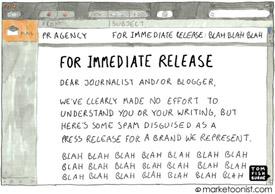
How To Make Your Press Releases Interesting To Website Visitors
Let's be honest, your prospective customers don't want to read press releases. Think about the last press release you read. Odds are it was pretty dull and sounded almost robotic. Press releases are ...
How Corporate Transparency Can Create a Brand Customers Love
One of the challenges we hear from companies who are just starting to blog is not only struggling with what topics to blog about, but also a hesitancy that by blogging they'll be sharing too much, or ...
Making "Boring" Industry Content Work For Your Business
Dan Moyle is a mortgage guy. He's in multimedia and marketing for AmeriFirst Home Mortgage in Michigan. Now, you might think that mortgage is a boring industry, and you'd be right in most cases. But ...
Drive Traffic To Your Website By Interviewing Experts in Your Field
When you come across articles on how to drive traffic to your website, you often get a set of core suggestions that include the following: Make sure your website is rich in meaningful content ...
Case Study: Targeted Manufacturing Blog Wins Customers
Many manufacturing company CEOs and marketers will think that blogging is not for them. You might think that there's not enough broad appeal for a blog about your product, or that no one wants to ...
How to Get 3 Months Worth of Blog Topics From Your Next Trade Show
One of the most common hurdles companies tell us they face when starting a blog, along with finding enough time, is figuring out what subjects to write about. Determining blog topics shouldn't be ...
Legal Considerations for Blogging and Content Marketing
A few weeks ago, Winston Chenery and I presented a content marketing webinar. During the webinar, we received a great question about the legal considerations for writing a business blog or engaging ...
The Real Reasons No One Reads Your Business Blog
Many companies start a business blog because, well, they think they should. A blog is a tremendous resource for businesses and can be a great platform for sharing your industry knowledge, offering ...
Stay Informed
Subscribe to The Digital Slate from Whittington Consulting