Website Design
A website redesign isn’t merely about a fresh look—it’s an investment with real returns. Our team works closely with yours to deliver a modern, intuitive design that leads to higher conversions and more leads. Your new website will build trust with prospects and capture new sales opportunities.
Want to learn more about a website redesign?
We redesigned Smith-Midland Corporation's website to be bold, modern, and to incorporate videos. Learn more about the design process here.
Inbound Marketing
Whittington Consulting's inbound marketing services are designed to attract, engage, and delight your target audience, driving more qualified leads to your business. By leveraging strategic content creation and data-driven insights, we ensure sustainable growth and measurable results.
Get Help With Your Marketing
An aligned marketing & sales strategy helped Gather Workspaces achieve more than $950,000 in revenue, 67% increase in tours, 33% increase in members and accelerated pipeline velocity.
HubSpot Support
As a certified HubSpot Platinum Solutions Partner with over 12 years of specialized experience, we're here to help you maximize every aspect of HubSpot's powerful growth suite of marketing and sales tools.
HubSpot Portal Audit
Learn how we set up HubSpot CRM for an HR Consulting firm to match their unique sales process and make their team more efficient.
Blog
How Much Does a B2B Website Redesign Cost in 2026?
One of the most common questions that companies have about a website redesign is: “How much does it cost to build a website?”
On-Page SEO Techniques to Optimize Your Content for Search Engines
For marketers looking to improve their digital strategy, mastering on-page SEO is a non-negotiable. Effective on-page SEO techniques ensure your content not only reaches your target audience but also ...
Best B2B Lead Gen Consulting Services (2026)
B2B companies pour budget into marketing every year and still struggle to fill the pipeline with leads that actually convert. The problem usually isn't effort. It's alignment. The wrong mix of ...
How to Use a Content Gap Analysis to Find Your Next Best Content
Most companies publish content consistently and still wonder why their website doesn't generate leads. The problem usually isn't effort. It's direction. Your buyers are searching for answers at every ...
When HubSpot CRM Implementations Fail (It's Not the Technology)
CRM software implementations aren’t easy. I’ve heard several instances lately of companies trying to set up CRMs only to feel “stuck” months into the project. Their team is frustrated. The software ...
AI Is Transforming Senior Living Marketing to Boost Occupancy Rates
Maintaining high occupancy rates in senior living communities is a challenge many communities face. Competition is fierce, families are more discerning than ever, and traditional marketing tactics ...
4 Must-Ask Questions When Outsourcing Website Design Services
A failed website project costs more than just money, resulting in lost opportunities and months of wasted time. According to the Project Management Institute, 14% of IT projects fail completely, and ...
Why Managing HubSpot Is No Longer an Entry-Level Job
Let me be direct: if you're spending $10,000 to $20,000+ annually on HubSpot licenses and handing the keys to a recent college graduate or intern, you're setting up both your company and that person ...
Migrating to HubSpot CMS: Your Complete 2026 Roadmap
Thinking about migrating to HubSpot CMS? Making the switch is a big decision, and you're right to be thorough. We've guided dozens of companies through this exact process, and we'll help you get it ...
How to Set Your B2B Digital Marketing Budget in 2026
Marketing leaders are heading into 2026 with a complex mandate: drive growth amidst economic unpredictability while navigating the most significant technological shift in a generation.
Voice Search SEO: Preparing Your Website for the Future of Search
Voice search is reshaping how people find information online. According to recent studies, 58% of consumers have used voice search to find local business information, and that number continues to ...
B2B Marketing Strategy Insights from TRG's CMO
Every marketing leader we talk to feels the pressure. The C-suite wants more leads, more revenue, and more proof of ROI. But budgets are tight, and your team is already stretched thin. How can you ...
Training HubSpot's Breeze Intelligence AI with Your Brand Guidelines
Artificial intelligence has quickly become one of the most talked-about tools in marketing, promising faster execution, deeper personalization, and measurable ROI. But if you’ve ever used AI “out of ...
HubSpot Training: How to Set Your Team Up for Success
You've invested in HubSpot. Your team is excited about the possibilities. But three months later, you're watching your sales reps struggle with adoption and basic tasks while your marketing team ...
Writing Website Content for SEO, Conversions, and Readability
As the marketing director at your company, you know your website is a critical asset. But is its content pulling its weight? To truly succeed online, your website content needs to do three things ...
Top 2025 B2B Digital Marketing Trends to Watch
Ever wonder what digital marketers really talk about when they get together? What trends are catching their eye, and what challenges are they tackling for clients? 2025 digital marketing trends are ...
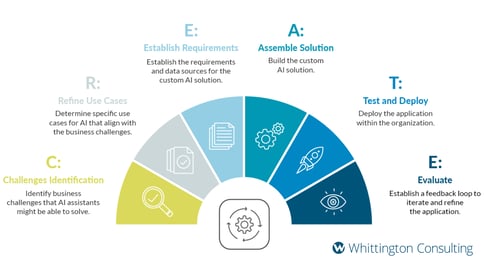
Solve a Business Problem With AI: Introducing the CREATE Framework
The buzz around Artificial Intelligence is deafening. It’s like 2011 when “big data” became a thing, or 2006 when we started hearing about “the cloud.”
How to Boost Email Deliverability in HubSpot and Get Your Message Seen
Picture this: you’ve crafted the perfect email, packed with valuable insights, tailored content, and an enticing call-to-action. You hit "send," only to realize most of your audience will never see ...
How to Connect Marketing to Sales Outcomes to Prove ROI
Proving that your marketing efforts drive actual sales results isn’t just helpful—it’s essential. For marketing leaders like you, managing expectations from CEOs and other stakeholders, the pressure ...
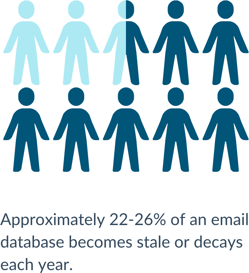
Save Money on HubSpot: How to Clean a Contact Database Before Renewal
As your HubSpot renewal approaches, it’s the perfect time to review and clean your contact database. A cluttered or outdated database doesn’t just affect your marketing performance—it can increase ...
Using AI for B2B Website Visitor Data Analysis
Understanding whether your website is attracting the right audience is critical for marketers, especially when you need to show results and prove the return on investment (ROI) of your efforts.
Stay Visible: Optimizing for AI-Driven Search Engines
Search engine optimization (SEO) has long been the cornerstone of digital marketing strategies, including our own. But as AI technology continues to evolve, there's a growing concern in the digital ...
Leveraging Audiences in Search: Reaching the Right Customers
Among the many digital marketing tactics available, audience targeting in paid search stands out as an essential tool for ensuring that your ads reach the right prospects at the right time. By ...
Why Your Company Should Collect First-Party Data
Let’s talk about something important for your business – first-party data. With privacy concerns on the rise and third-party cookies slowly fading into the past, first-party data is becoming a ...
Step by Step HubSpot CRM Implementation Guide for Marketing Leaders
Adopting a customer relationship management (CRM) system is a necessity for businesses aiming to increase close rates and make their website a sales engine.
The Power of AI Marketing Tools: Redefining Digital Marketing
Staying ahead of the digital marketing curve is essential. Technology constantly changes, and marketers are constantly seeking innovative ways to enhance their campaigns, boost engagement, and ...
Unlock HubSpot's Power: Lead Nurturing with Workflows Simplified
In digital marketing, it's crucial to stay ahead of the curve. One powerful tool that can help you achieve marketing excellence is HubSpot. This all-in-one marketing platform offers an array of ...
Outsource Web Design? A Pro/Con Guide for In-House Teams
Like other companies that are considering a website redesign, you are probably faced with the decision to manage it in-house or outsource website design. A website redesign managed in-house can save ...
10 Highly Effective Campaigns for Senior Living Marketers
The senior living industry is growing rapidly as the aging population seeks comfortable and supportive communities to spend their retirement years. To attract and retain residents, senior living ...
10 HubSpot Tools You Might Not Know About
HubSpot is a powerhouse in the world of marketing, sales and customer relationship management, but did you know that it hides a treasure trove of features beyond the obvious ones? As a long-time ...
Stay Informed
Subscribe to The Digital Slate from Whittington Consulting