Website Design
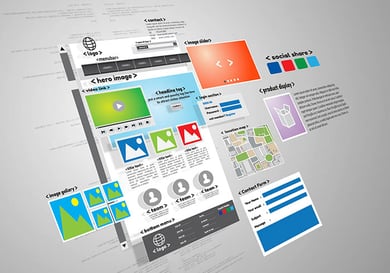
A website redesign isn’t merely about a fresh look—it’s an investment with real returns. Our team works closely with yours to deliver a modern, intuitive design that leads to higher conversions and more leads. Your new website will build trust with prospects and capture new sales opportunities.
Featured Project
We redesigned Smith-Midland Corporation's website to be bold, modern, and to incorporate videos. Learn more about the design process here.
Inbound Marketing
Whittington Consulting's inbound marketing services are designed to attract, engage, and delight your target audience, driving more qualified leads to your business. By leveraging strategic content creation and data-driven insights, we ensure sustainable growth and measurable results.
An aligned marketing & sales strategy helped Gather Workspaces achieve more than $950,000 in revenue, 67% increase in tours, 33% increase in members and accelerated pipeline velocity.
HubSpot Support
As a certified HubSpot Platinum Solutions Partner with over 12 years of specialized experience, we're here to help you maximize every aspect of HubSpot's powerful growth suite of marketing and sales tools.
Learn how we set up HubSpot CRM for an HR Consulting firm to match their unique sales process and make their team more efficient.
Blog
How to Use Contact Forms to Generate Better B2B Leads
On a B2B website, a form can invite someone to follow your content, learn from original research, or start a sales conversation. Those actions set different expectations for what happens next.
AI Tools for Senior Living Marketing: Uses and Safeguards
Maintaining high occupancy rates in senior living communities is a challenge many communities face. Competition is fierce, families are more discerning than ever, and traditional marketing tactics ...
5 Economic Development Website Design Firms to Consider
Each year, we meet with both local and regional economic development organizations about their websites and digital marketing, and this question inevitably comes up: “Who are your competitors?”
How Many Pages Should a Website Have?
You've built a website, or maybe you're rebuilding one. Either way, at some point you've probably asked yourself: Do I have enough content? Am I missing pages? Is my homepage too short? Should my ...
Why Inbound Marketing Campaigns Fail and How to Fix Them
Inbound marketing campaigns have become a popular and effective way for businesses to reach their target audience and increase sales opportunities. However, an inbound marketing campaign can still ...
Facebook Ads for Senior Living: Generate More Resident Leads
Facebook ads can help a senior living community generate new resident leads by reaching prospective residents and the family members helping them research, compare, and choose care. The strongest ...
B2B Paid Social: How to Choose the Right Platforms
Paid social media advertising can help a B2B company reach a defined audience, but the ad is only one part of the campaign. You also need something useful to offer, a focused landing page, and a next ...
What Is a Business Blog and Why Does It Matter?
A business blog is the section of a company website where the company publishes useful articles, audio, and video for prospects and customers. It can explain the products/services the company sells, ...
10 Highly Effective Senior Living Marketing Campaigns
Senior living marketing campaigns can help older adults and family caregivers understand their options, see what life in a community is really like, and take a comfortable next step. The ten ideas ...
How to Use ChatGPT for Marketing Without Losing Quality
Here's the real question: how do you use ChatGPT as a marketer without losing quality?
White Paper Lead Generation: When to Gate Content
White papers can still help B2B buyers understand a complicated problem or prepare for an important decision. They can also give a company room to share useful research, explain a technical issue, or ...
7 Marketing Activities for Small and Mid-Market Companies
It’s almost that time of year when you review your marketing strategy, make adjustments for the rest of the year and start thinking about setting goals for next year.
B2B Lead Generation Consulting Services: A Buyer's Guide
Companies pour budget into marketing every year and still struggle to fill the pipeline with leads that actually convert. The problem usually isn't effort. It's alignment. The wrong mix of services, ...
How to Use HubSpot and WordPress Together Effectively
Your company may have a WordPress site that you’re happy with. Why make changes when you don’t need to?
How to Run a Content Gap Analysis: 6 Steps
Most companies publish content consistently and still wonder why their website doesn't generate leads. Here's the problem. Your buyers are searching for answers at every stage of their journey, and ...
Writing Website Content for SEO, Conversions, Readability
As the marketing director at your company, you know your website is a critical asset. But is its content pulling its weight? To truly succeed online, your website content needs to do three things ...
Website Critique: 12 Things to Review
We believe that every company in every industry deserves an effective, attractive website. A website critique can help you find weak spots, but the review should start with what the website is ...
HubSpot CRM Implementation Guide: 8 Practical Steps
Adopting a customer relationship management (CRM) system can give marketing and sales one place to manage prospect and customer information, follow-up, and pipeline.
HubSpot Team Training: What Each Role Should Learn
You've invested in HubSpot. Your team is excited about the possibilities. But three months later, you're watching your sales reps struggle with adoption and basic tasks while your marketing team ...
Why HubSpot CRM Implementations Fail (It's Not the Tech)
CRM software implementations aren’t easy. I’ve heard several instances lately of companies trying to set up CRMs only to feel “stuck” months into the project. Their team is frustrated. The software ...
Best B2B Lead Magnets for Qualified Leads
B2B marketers have more ways than ever to publish useful content. The harder decision is which information should be open and which offer is valuable enough to put behind a form.
HubSpot Portal Cleanup Best Practices: A Safe Checklist
If you're using HubSpot for marketing, sales, or customer service, keeping your account clean and organized is crucial for your operations (and just being able to find stuff, too).
Migrating to HubSpot CMS: Your 2026 Step-by-Step Roadmap
Thinking about migrating to HubSpot CMS? Making the switch is a big decision, and you're right to be thorough. We've guided dozens of companies through this process, and we'll help you get it right. ...
10 Ways to Optimize Landing Page Copy for Conversions
A B2B landing page works best when its message, offer and next step fit the visitor and where that person is in the buyer's journey. Before rewriting the copy, identify who will reach the page, how ...
The 4-Step Conversion Rate Optimization Process Explained
Have you ever found yourself wondering how you can get more of the people visiting your website to take action?
16 B2B Social Media Content Ideas That Actually Drive Engagement
Coming up with B2B social media content gets easier when you get outside the day-to-day. The strongest ideas are often already hiding in customer questions, sales calls, industry changes, and ...
Questions to Ask Before Starting a Website Redesign
With all the work that goes into a website redesign, it's important that you ask the right questions before the project begins so that you can plan for success. What should you know before you ...
HubSpot Lead Nurturing: Workflow Automation Simplified
HubSpot workflows can automate lead nurturing, but the tool is only useful when each workflow has a clear purpose and works with the rest of the portal.
Website Content Development Guide: Planning Your Content
Are you working on planning your website content development? If so, watch this video for some advice to make your website content development run smoothly and your website planning more effective.
Can an SEO Agency Guarantee a #1 Google Ranking?
When hiring an online marketing company, it's important to set goals. You want to have something to work toward, and you want to be able to hold your online marketing team accountable.
Stay Informed
Subscribe to The Digital Slate from Whittington Consulting